
UTS Year 12 Subject Scheme Explained: How Adjustment Factors Work and How to Qualify
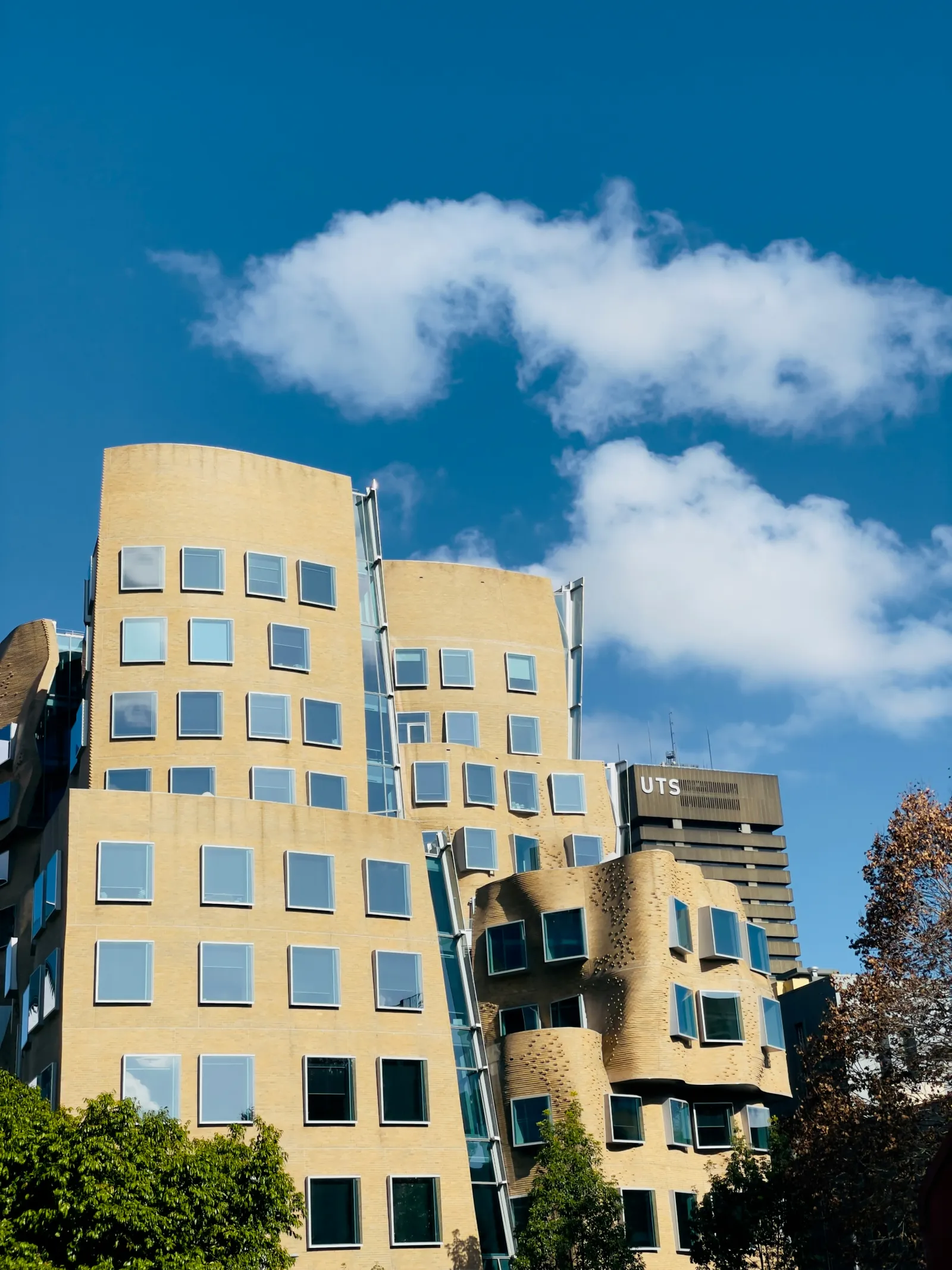
The University of Technology Sydney takes a different approach to recognising HSC performance than its Sydney counterparts. Rather than rewarding general academic excellence in English or mathematics, UTS's Year 12 Subject Scheme rewards strong performance in the HSC subjects most directly relevant to the specific degree a student has applied for. A student applying for Engineering is rewarded for performance in different subjects from one applying for Communication or Business, and the adjustment factors follow from that performance automatically, without any additional application.
Understanding how the scheme works, who qualifies, and how it fits alongside UTS's other entry pathways gives students a clearer picture of the full range of factors that will determine their selection rank, and that picture is worth having in Year 11, not the week results are released.
How the scheme works
The Year 12 Subject Scheme awards adjustment factors based on performance in HSC subjects that UTS has identified as relevant to each participating course. Unlike Sydney's Academic Excellence Scheme, which is anchored to English and mathematics across most faculties, UTS rewards relevance to the individual course, which means the subjects that attract points differ from degree to degree. A student who lists multiple UTS preferences may have a different selection rank for each, depending on which eligible subjects they have completed.
The maximum available under the scheme is five adjustment factors per UTS course preference. The adjustment factors table published at uts.edu.au lists every participating course alongside the HSC subjects that attract points and the bands required to earn them. It is the authoritative reference, updated each year, specific to each course, and the only reliable source for the current intake's figures.
A worked example: A student achieves an ATAR of 82 and has listed the Bachelor of Business as their first UTS preference. They achieved a Band 6 in Economics, a subject UTS identifies as directly relevant to Business. That result earns five adjustment factors under the scheme, bringing their selection rank for that preference to 87. The specific subjects and bands that attract points for each UTS course are listed in the adjustment factors table at uts.edu.au.
Who is eligible
The scheme is open to recent school leavers, students who have not previously undertaken tertiary study, who have applied for a participating UTS course and achieved a minimum ATAR of 69.00 before adjustment factors are applied. That 69.00 threshold is a floor, not a competitive target: any student above it who meets the subject requirements is eligible, regardless of how close to the minimum they sit.
IB Diploma students and applicants with interstate Year 12 qualifications are also eligible. UAC publishes the equivalencies between NSW HSC subjects and both IB and interstate courses, allowing students to identify which of their subjects correspond to the HSC subjects listed in UTS's adjustment factors table.
The adjustment factors table at uts.edu.au allows students to select any UTS course and see the full list of HSC subjects that attract adjustments, along with the band required in each. The list of participating courses and eligible subjects is reviewed annually and can change between intake years, a course that offers adjustments in one year may offer different adjustments, or none, in the next. Always verify against the current year's published table rather than information from a previous year.
Which courses are excluded
Not all UTS degrees participate in the scheme. The exclusions include courses from the Faculty of Law, courses offered under cadetship arrangements, and the Bachelor of Accounting. For these degrees, selection is based on ATAR alone, no subject-based adjustment factors apply regardless of HSC performance. The current exclusion list is published on the UTS website and, like the adjustment factors table itself, may change between intake years.
A key difference from UNSW and Sydney: schemes can be combined at UTS
One of the most practically significant features of UTS's adjustment factor system is that eligible students can receive points from multiple entry schemes simultaneously. This contrasts directly with the University of Sydney, where only the single most beneficial scheme applies, adjustment factors from different schemes cannot be stacked. At UTS, a student who qualifies for both the Year 12 Subject Scheme and another scheme receives points from both, subject to the limits of each scheme individually.
A student who qualifies for both the Year 12 Subject Scheme and the inpUTS educational access scheme, for example, can receive points from both. Students applying to both UTS and Sydney should not assume the same stacking logic applies at each institution.
UTS's other entry schemes
The Year 12 Subject Scheme sits alongside a broader set of entry pathways at UTS, several of which can be combined with subject-based adjustment factors.
inpUTS (Educational Access Scheme) provides up to ten adjustment points for students whose education was disrupted for longer than six months by circumstances beyond their control, including financial hardship, family disruption, illness, or disability. Students at identified EAS schools are considered automatically; others apply through UAC.
The Elite Athletes and Performers Scheme awards up to five points for students who have represented at national level and whose studies were affected by those commitments. A minimum ATAR of 69 applies. Applications are made through UAC.
Women in Engineering, IT and Construction awards ten adjustment points to female-identifying students applying for select Engineering, IT, or Construction Project Management courses. Applied automatically to both UAC and Early Entry applications.
The Engineering and IT Questionnaire is available for students applying to Engineering or IT whose selection rank falls one to three points short of the cut-off. The questionnaire allows students to demonstrate motivation and interest in the field and is submitted through UAC.
The Schools Recommendation Scheme recognises skills and achievements beyond Year 12 grades, based on a recommendation from the school principal or careers advisor, with applications made directly to UTS.
The UTS Early Entry Program rewards strong Year 11 performance with a provisional offer before HSC exams. Successful applicants receive their offer conditional on completing Year 12, with applications opening in mid-Year 11.
What this means for HSC preparation
The Year 12 Subject Scheme rewards a specific kind of preparation: genuine depth in the subjects most relevant to the intended degree. A student who performs strongly in those subjects will benefit from the scheme as a direct consequence of that preparation, not through subject selection aimed at maximising adjustment points for their own sake.
The eligible subjects and point values at UTS are reviewed each year, making any selection strategy built around the current table unreliable across a two-year HSC. The more dependable approach is to choose subjects for their genuine relevance to the intended degree and perform in them as strongly as possible. The adjustment factors are a reflection of that performance, not a separate target to aim at.
At Shoreline, we work through these mechanics with students in Year 11, so that the relationship between their HSC performance and their university access is clear before the work begins, not after. At UTS, the students who benefit most from the Year 12 Subject Scheme are almost always the same students who were going to perform well in those subjects regardless, because they chose them for the right reasons.